Headlands International Dark Sky Park: A First-Time Visitor’s Guide
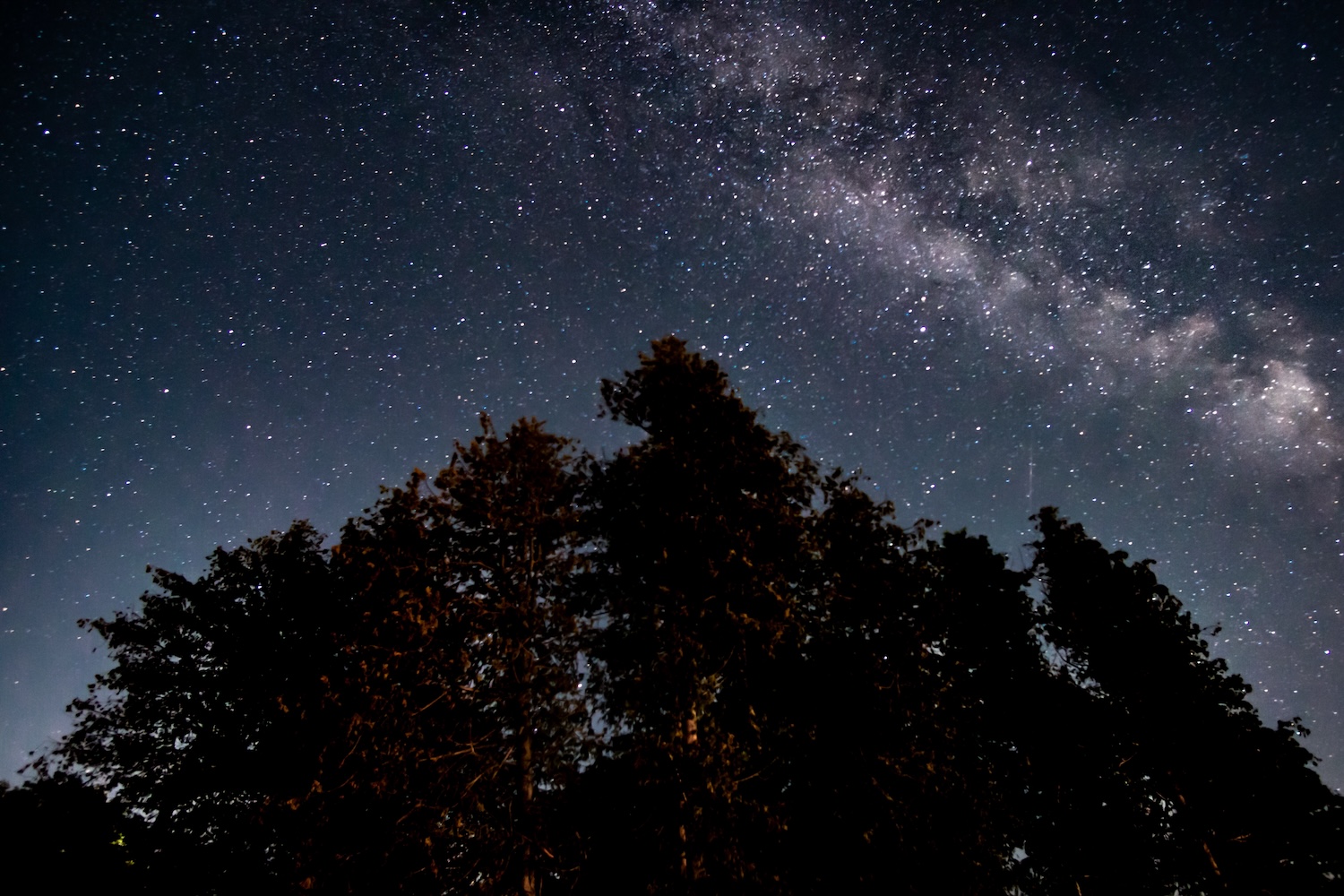
A visit to Headlands International Dark Sky Park offers a rare opportunity to experience the night sky with significantly less artificial light. Located along Lake Michigan near Mackinaw City, the park welcomes visitors for stargazing, hiking, educational programs, seasonal events, and quiet time outdoors.
The experience is memorable, but it requires a little more preparation than an ordinary evening at a park. Visitors must protect the darkness, prepare for changing lakeshore weather, and understand that parking may be limited on popular nights.
This first-time visitor’s guide covers what to expect, when to arrive, what to bring, and how to enjoy Headlands International Dark Sky Park respectfully.
What Is Headlands International Dark Sky Park?
Headlands International Dark Sky Park is an Emmet County park located near the northern tip of Michigan’s Lower Peninsula. It received its International Dark Sky Park designation in 2011 for its protected natural darkness and efforts to educate visitors about the night sky.
The park covers approximately 600 acres and includes old-growth forest, Lake Michigan shoreline, hiking trails, an interpretive discovery trail, and a designated dark sky viewing area.
While stargazing is the main attraction after dark, the park is also worth visiting during the day. Guests can hike through wooded areas, explore the shoreline, and learn about humanity’s relationship with the sky along the Dark Sky Discovery Trail.
Where Is Headlands International Dark Sky Park?
Headlands International Dark Sky Park is located at 15675 Headlands Road in Mackinaw City, Michigan. The entrance is approximately two miles west of downtown Mackinaw City.
Its location makes it easy to combine a park visit with other attractions near Paradise Lake, Carp Lake, and the Straits of Mackinac. Travelers can spend the day exploring the region before arriving at Headlands in time for sunset.
For additional ideas, explore the best things to do near Paradise Lake.
Is Headlands International Dark Sky Park Open at Night?
The grounds, trails, and designated viewing areas are open 24 hours a day throughout the year. Visitors may remain at the park late into the night to watch the stars.
However, camping is not permitted. Headlands is intended as a place to remain awake and observe the night sky, not as an overnight camping or sleeping destination. Tents and similar camping setups should not be brought into the park.
Individual facilities, the gift shop, and visitor services may have separate seasonal hours. Check the official park website before visiting if access to a particular facility is important to your plans.
When Is the Best Time to Visit Headlands Dark Sky Park?
The best time to visit depends on what visitors hope to see. Every season brings different constellations, planets, weather conditions, and night sky events.
Choose a Clear Night
Cloud cover has a greater effect on stargazing than almost any other factor. Check the hourly weather forecast before leaving, paying close attention to cloud coverage, humidity, precipitation, and wind.
Weather conditions near Lake Michigan can change quickly. It is helpful to check the forecast again shortly before arriving.
Plan Around the Moon
A new moon provides some of the darkest conditions for observing stars, the Milky Way, and faint celestial objects. The days surrounding a new moon are generally best for visitors hoping to see as many stars as possible.
A full moon creates a brighter sky that can make faint stars more difficult to see. However, the moon itself can be fascinating to observe, especially through binoculars or a telescope. Full-moon hikes and educational programs can also provide a different kind of experience.
Consider the Season
Summer offers warmer evenings and opportunities to view the Milky Way, but it is also one of the park’s busiest seasons. Because the sun sets later, visitors may need to remain at the park well into the evening for full darkness.
Fall brings earlier sunsets, cooler temperatures, and changing foliage throughout the property. Winter provides long, dark nights, but visitors must be prepared for snow, ice, and significantly colder conditions. Spring can offer quieter evenings, although rain, clouds, and muddy trails are possible.
What Should First-Time Visitors Expect?
Headlands is designed to preserve natural darkness. It does not feel like a brightly lit public attraction after sunset, and that is an important part of the experience.
Arrive Before Sunset
First-time visitors should arrive before sunset whenever possible. This provides time to find parking, become familiar with the property, and walk to the viewing area while there is still natural light.
The park becomes especially busy during meteor showers, educational events, clear summer weekends, and strong Northern Lights forecasts. Parking can fill early on high-interest nights.
Depending on where visitors park, reaching the designated viewing area may require a walk of approximately one mile. Arriving early allows plenty of time to settle in before darkness.
Follow the Dark Sky Discovery Trail
The one-mile paved Dark Sky Discovery Trail extends from the park entrance to the designated viewing area. Interpretive stations along the route explore the planets and humanity’s cultural relationship with the sky.
The signs are not illuminated, so they are easier to read before darkness falls. Walking the trail before sunset also helps visitors understand the route they will follow when leaving.
Choose a Viewing Spot
Visitors may bring portable chairs and blankets to the viewing area. Choose a location that does not block a trail, interfere with a scheduled program, or obstruct another visitor’s view.
Once settled, give your eyes time to adjust. It commonly takes 20 to 30 minutes for human vision to adapt more fully to darkness. Looking at a bright screen or white flashlight can restart that process.
What Are the Dark Sky Park Rules?
The park’s etiquette guidelines help protect night vision and create a better experience for everyone.
Do Not Use White Lights in the Viewing Area
White flashlights and bright phone screens are not permitted in the designated dark sky viewing area. Even a brief flash of white light can affect the night vision of people nearby.
Bring a red-filtered flashlight or headlamp for walking and organizing belongings. Red-filtered lights are also sold on-site when the gift shop is open, but bringing one ensures it is available when needed.
Test the light before arriving. Some headlamps turn on in white-light mode before switching to red, which can create problems in a dark viewing area.
Keep Phone Screens Dark
Place phones on silent and reduce the screen brightness before entering the viewing area. Complete any necessary messages, maps, or stargazing-app checks before it becomes fully dark.
If a phone must be used, follow the park’s current guidance for red filtering. A standard night mode may still be brighter than expected in a protected dark-sky environment.
Keep Noise to a Minimum
Headlands is a shared natural space. Quiet conversation is appropriate, but loud music, speakerphone calls, and disruptive activity can interfere with other visitors’ experience.
The quieter the viewing area remains, the easier it is to enjoy the sounds of the shoreline and surrounding forest.
Keep Pets Leashed
Well-mannered pets are permitted on a leash no longer than six feet. Owners should consider whether their pet will be comfortable around darkness, unfamiliar wildlife, crowds, and long periods of waiting.
Always clean up after pets and prevent them from approaching other visitors or their equipment.
Do Not Camp
Visitors may stay late to watch the sky, but camping is not permitted. Do not bring tents or plan to use the property as an overnight sleeping location.
What Can You See at Headlands Dark Sky Park?
What visitors see depends on the season, moon phase, cloud cover, solar activity, and time of night.
Stars and Constellations
Protected darkness makes it easier to see stars that may be hidden by artificial light in more developed areas. Different constellations appear throughout the year as Earth moves around the sun.
Visitors do not need to recognize every constellation to enjoy the experience. Begin by looking for easily identified patterns and allowing the larger night sky to come into view.
The Milky Way
The brighter central region of the Milky Way is most prominent during the warmer months in the Northern Hemisphere. The exact direction and viewing time change throughout the season.
A moonless, cloud-free night generally provides the best opportunity. Visitors should still remember that visibility is affected by natural conditions and is never guaranteed.
Meteor Showers
Meteor showers occur at different times throughout the year. The Perseids in August, Orionids in October, Leonids in November, and Geminids in December are among the seasonal events visible from Northern Michigan when conditions cooperate.
Popular meteor shower nights can attract larger crowds. Arrive early, dress for a long period of sitting outdoors, and avoid relying on one specific hour for the entire experience.
Planets
Several planets can be visible without a telescope, depending on the time of year. Venus, Jupiter, Mars, and Saturn are often among the easiest to identify when they are above the horizon.
A current sky chart can help visitors understand which planets will be visible during their stay.
The Northern Lights
The Northern Lights are occasionally visible in Northern Michigan, but they are difficult to predict far in advance. Aurora forecasts often become useful only a day or two before a possible display.
Even a strong forecast does not guarantee a visible aurora. Clouds, timing, horizon obstructions, and changes in solar activity can affect the outcome. Visitors should treat a possible Northern Lights display as a bonus instead of the sole reason for the trip.
Aurora forecasts can also bring much larger crowds to Headlands. Parking may fill early, so plan accordingly.
Do You Need a Telescope?
A telescope is not required to enjoy Headlands International Dark Sky Park. First-time visitors can see stars, constellations, planets, satellites, and meteors with the unaided eye.
Binoculars can provide a simple way to explore the sky without carrying complicated equipment. They can reveal additional stars, lunar details, and some larger star clusters.
Visitors who bring a telescope should practice setting it up at home. Trying to assemble unfamiliar equipment in complete darkness can be frustrating and may lead to the accidental use of bright lights.
Scheduled park programs may occasionally include guided observations or telescope viewing. Check the current event calendar before visiting, since programs and availability change throughout the year.
What Should You Bring to Headlands Dark Sky Park?
Comfort has a major effect on how long visitors can enjoy the night sky. Bring more layers than the daytime forecast seems to require.
Recommended items include:
- A red-filtered flashlight or headlamp
- Portable chairs or a waterproof blanket
- Warm clothing that can be layered
- A hat and gloves
- A rain-resistant outer layer
- Closed-toe walking shoes
- Insect repellent during warmer months
- Water and quiet snacks
- Binoculars
- A printed or downloaded park map
- A portable phone charger
- A telescope, if desired
- A bag for carrying out all trash
The park advises visitors that temperatures near the Lake Michigan shoreline can feel approximately 10 degrees cooler than expected. Wind and inactivity can make the evening feel even colder.
Can You Visit Headlands During the Day?
Headlands is worth exploring before the stars appear. The property includes more than five miles of trails through approximately 600 acres of forest and about two miles of Lake Michigan shoreline.
Dark Sky Discovery Trail
The one-mile paved Dark Sky Discovery Trail is an approachable option for first-time visitors. Its interpretive stations introduce the planets and explore how different cultures have understood the night sky.
Frog Pond Trail
The Frog Pond Trail passes through a cedar swamp and near McCormick Pond. It offers a closer look at the park’s woodland and wetland environments.
Overlook Trail
The Overlook Trail travels through wooded terrain toward a rock bluff. Trail conditions and difficulty may vary, so review the current trail map before beginning.
Visitors exploring additional outdoor destinations can also read the resort’s guide to Mackinaw City and Wilderness State Park.
Can Families Visit Headlands Dark Sky Park?
Headlands can be an exciting destination for children, especially those interested in space, nature, and nighttime wildlife. A little advance planning can make the experience easier for families.
Explain the white-light rules before arriving, and give each child an approved red-filtered light. Bring comfortable seating, warm clothing, and quiet activities for periods when children are waiting for full darkness.
Families may also prefer to visit for sunset and the first hour of stargazing instead of attempting a much later night. Planning a flexible schedule can prevent tired children from becoming uncomfortable.
For more family travel ideas, read about planning an Up North Michigan family vacation.
Tips for Astrophotography at Headlands
Night sky photography requires patience and consideration for nearby visitors. Before setting up, confirm that equipment will not block trails or interfere with a program.
Basic astrophotography equipment may include:
- A camera with manual controls
- A sturdy tripod
- A wide-angle lens
- A remote shutter release
- Fully charged batteries
- A lens cloth for moisture
- A red-filtered light
Turn off flash, autofocus-assist lights, indicator lights, and bright displays before entering the viewing area. Practice adjusting the camera in darkness and keep the rear screen as dim as possible.
Photographers should follow all current park rules. Protecting other visitors’ night vision is more important than capturing a particular image.
What Should You Do If the Sky Is Cloudy?
Cloudy conditions do not have to ruin the entire visit. Arrive early enough to explore the forest, shoreline, and Dark Sky Discovery Trail before sunset.
Travelers can also build flexibility into their Northern Michigan itinerary. If the forecast looks better on a different night, move the stargazing visit and spend the cloudy day exploring Mackinaw City, Paradise Lake, or Wilderness State Park.
The resort’s Northern Michigan travel blog includes additional ideas for building a flexible itinerary.
Where Should You Stay Near Headlands Dark Sky Park?
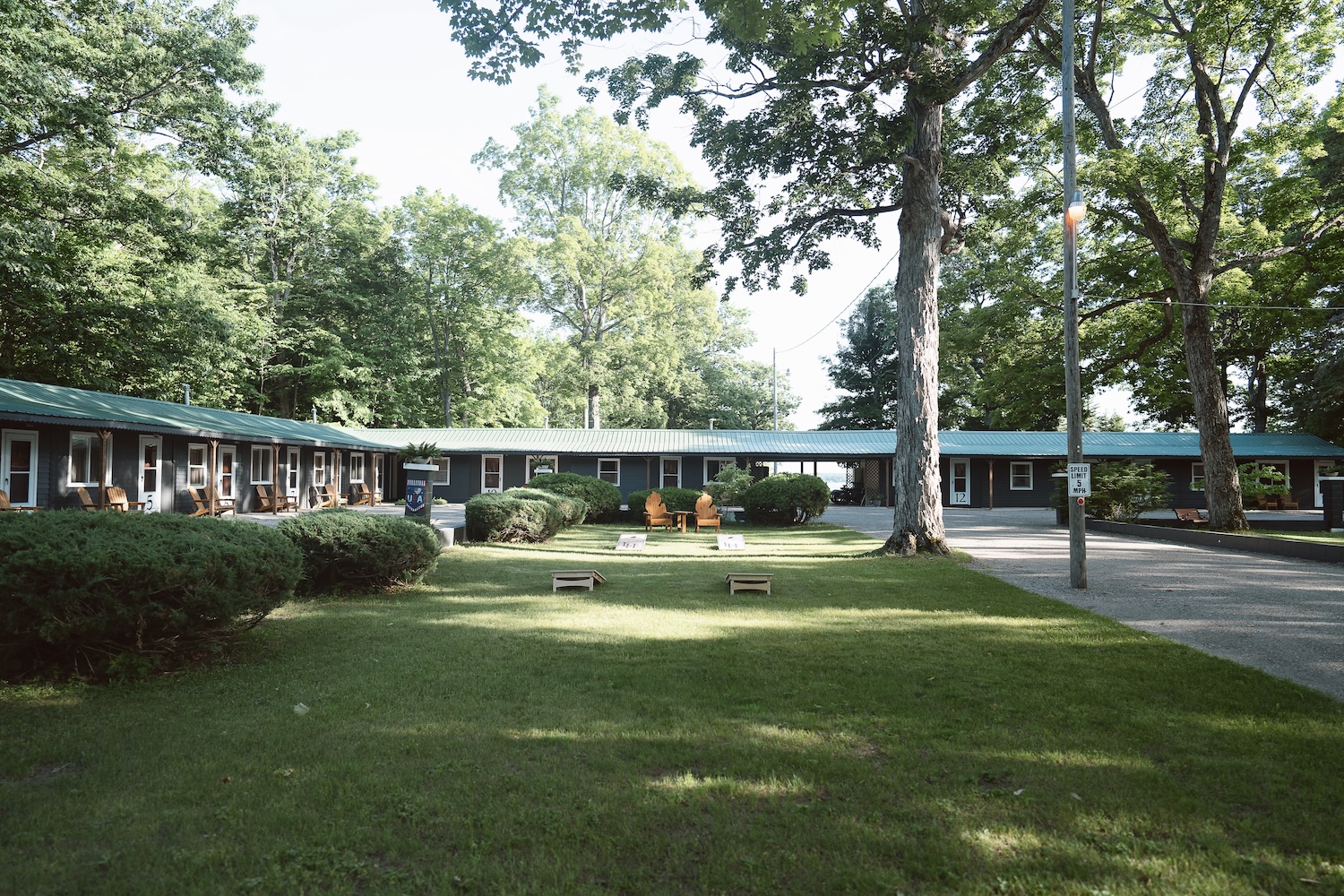
Lakeside Heritage Resort provides a quiet home base on Paradise Lake near Carp Lake and Mackinaw City. Guests can spend the day exploring Northern Michigan before traveling to Headlands for sunset and stargazing.
Staying nearby makes it easier to choose the clearest night of the trip instead of relying on a single evening. It also provides a comfortable place to return after several hours outside.
Learn more about Lakeside Heritage Resort, or explore the available rooms and accommodations.
Frequently Asked Questions About Headlands International Dark Sky Park
What time should I arrive at Headlands Dark Sky Park?
Arriving 60 to 90 minutes before sunset provides time to park, explore the Discovery Trail, and choose a viewing location. Arrive even earlier for major celestial events, clear summer weekends, or strong aurora forecasts.
Is Headlands International Dark Sky Park open year-round?
The grounds, trails, and viewing areas are open 24 hours a day throughout the year. Facilities, programs, and gift shop hours may change seasonally.
Can you stay overnight at Headlands Dark Sky Park?
Visitors may remain late to observe the sky, but camping and overnight sleeping are not permitted.
Can you use a regular flashlight at Headlands?
White flashlights are not permitted in the designated viewing area. Bring a red-filtered flashlight or headlamp and test it before arriving.
Can you bring chairs and blankets?
Yes. Visitors may bring portable chairs, blankets, food, and beverages. Choose a location that does not block trails, programs, or other visitors.
Are dogs allowed at Headlands Dark Sky Park?
Well-mannered pets are permitted on a leash no longer than six feet. Owners are responsible for controlling their pets and cleaning up after them.
Can you always see the Milky Way?
No. Visibility depends on the season, moon phase, weather, and time of night. A clear night near a new moon usually provides the best chance.
Can you see the Northern Lights at Headlands?
The Northern Lights are occasionally visible, but they cannot be guaranteed. Aurora forecasts are most useful shortly before a potential display, and cloud cover can prevent viewing even during strong solar activity.
Is the Dark Sky Discovery Trail accessible?
The Dark Sky Discovery Trail is a one-mile paved route leading toward the designated viewing area. Visitors with specific mobility concerns should review current access information or contact the park before arriving.
Enter to win a stay
(win either way and get 10% off)
Join our email list for seasonal updates, local recommendations, future stay announcements, and 10% off your first stay at Lakeside Heritage Resort.